


Healthy Grocery List: What to Buy for Easy Balanced Meals
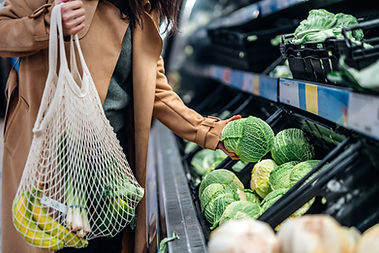
Eating well during the week often starts before you even enter the kitchen.
When you have a few useful ingredients at home, putting together a balanced breakfast, lunch or dinner becomes much easier.
You don’t need a fridge full of “healthy” foods or a perfectly planned menu.
You just need enough options that work well together.
The goal of a healthy grocery shop isn’t to buy everything on a long list. It’s to create a good base for simple, balanced meals that fit your routine.
Here’s what I recommend focusing on.
Start with protein sources
Having a few protein options available makes building meals much easier.
Depending on what you enjoy eating, your grocery list could include:
Eggs
Greek yogurt
Chicken or turkey
Fish, such as salmon or white fish
Tinned tuna or sardines
Lean beef or mince
Lentils, chickpeas and beans
Tofu
Cottage cheese
Milk or fortified plant-based alternatives
You don't need all of these every week. Choose a few that you know you will actually use.
For example, eggs and yogurt can cover breakfasts and quick meals, chicken or fish can be used for main meals, and keeping beans or tuna in the cupboard gives you an easy backup when you don't have much time.
Add carbohydrates that make meals easy
Carbohydrates are an important part of a balanced diet and can provide energy, fibre and valuable nutrients.
Good options include:
Oats
Bread or sourdough
Rice
Pasta
Potatoes and sweet potatoes
Quinoa
Wraps or pita bread
Again, variety is great, but there is no need to buy everything.
Think about what you realistically eat.
If you usually have oats for breakfast, rice with lunch and bread or wraps for quick meals, those can become your regular staples.
Choosing higher-fibre or wholegrain options when you enjoy them can also help increase your fibre intake.
Make fruit and vegetables practical
Fresh fruit and vegetables are important, but buying large amounts that eventually end up in the bin isn't particularly helpful.
Instead, choose a realistic mix.
For vegetables, you might buy:
Tomatoes
Cucumber
Peppers
Carrots
Broccoli
Courgette
Leafy greens
Mushrooms
Avocado
For fruit:
Bananas
Apples
Oranges or mandarins
Berries
Grapes
Kiwi
Whatever seasonal fruit you enjoy
Fresh isn't your only option either.
Frozen berries, frozen vegetables, peas, spinach and other frozen produce can be just as useful, especially when you want something that lasts longer and requires very little preparation.
The same applies to tinned vegetables and legumes. Convenience doesn't automatically make a food less nutritious.
Keep a few healthy fats at home
Healthy fats can add flavour, satisfaction and important nutrients to meals.
A few useful options are:
Extra virgin olive oil
Nuts
Seeds
Tahini
Peanut or other nut butter
Avocado
You can use olive oil for cooking and salads, add nuts or seeds to yogurt or oats, or use tahini and nut butter in breakfasts, snacks and dressings.
Don't forget flavour
A balanced diet doesn't need to taste boring.
Keeping ingredients that add flavour can make simple meals much more enjoyable:
Herbs and spices
Garlic
Lemon
Mustard
Pesto
Tomato sauce
Soy sauce
Yogurt for sauces and dressings
Fresh herbs
Chilli or chilli flakes
A bowl of rice, chicken and vegetables can taste completely different depending on the herbs, dressing or sauce you add.
Enjoying your food matters too.
Have some quick options for busy days
Not every meal needs to be cooked from scratch.
Having a few convenient foods available can make the difference between preparing something at home and feeling like there is “nothing to eat”.
I like keeping things such as:
Frozen vegetables
Frozen fruit
Tinned beans and chickpeas
Tinned tuna or sardines
Eggs
Greek yogurt
Wholegrain bread or wraps
Pre-washed salad
Hummus
Frozen fish
Ready-cooked pulses
These aren't shortcuts you need to feel guilty about. They are simply tools that can make healthy eating easier.
What about snacks?
You don't necessarily need a separate category of “healthy snack foods”.
Many everyday foods can become easy snacks:
Fruit with a handful of nuts
Greek yogurt with fruit
Toast with peanut butter
Vegetables with hummus
A boiled egg with toast
Fruit with yogurt
A few pieces of dark chocolate alongside something more filling
The best snack depends on your hunger, preferences and how long it is until your next meal.
A simple way to build your grocery list
Instead of trying to create the perfect healthy shopping list, think in categories.
For the week ahead, choose:
2–4 protein sources
2–3 carbohydrate options
Several vegetables
2–4 fruits
1–2 sources of healthy fats
A few ingredients for flavour
2–3 convenient backup foods
Then think about how these foods can overlap across different meals.
Chicken could become a rice bowl one day and go into a wrap the next.
Greek yogurt could be breakfast or a snack.
Vegetables could go into pasta, an omelette, a salad or a quick stir-fry.
This makes shopping simpler and can also reduce food waste.
What can balanced meals look like?
Once you have the basics at home, meals don't have to be complicated.
You could make:
Breakfast: Greek yogurt + oats + berries + nuts
Lunch: Chicken + rice + roasted vegetables + olive oil dressing
Quick dinner: Omelette + vegetables + wholegrain bread
Plant-based meal: Chickpeas + quinoa + roasted vegetables + tahini dressing
Busy-day meal: Wholegrain wrap + tuna + salad + avocado
There is no single combination that makes a meal “healthy”. The idea is simply to have enough variety across your diet and regularly include foods that provide protein, carbohydrates, fibre, healthy fats, fruit and vegetables.
Your grocery shop doesn't need to be perfect
Healthy eating becomes much easier when your environment supports it.
If you come home tired and you already have eggs, bread, vegetables and some frozen options available, making a simple meal is much easier than starting from nothing.
So instead of trying to fill your trolley with every food you think you should eat, start with foods you enjoy, foods you know how to cook and ingredients that can be used in several different ways.
A good grocery list isn't the one that looks healthiest on paper.
It's the one that helps you actually eat well during your real week.
If you would like more personalised support with your nutrition, I offer online nutrition consultations in Greek and English, with a practical approach built around your needs, routine and goals. Sessions are available online in Cyprus, Greece and internationally.


Comments